Hardik Pandya removed as Mumbai Indians captain, but Rishabh Pant retained by Virender Sehwag
The Post-IPL 2026 Leadership Debate
The conclusion of the IPL 2026 group stage has left several franchises at a crossroads. With the dust settling on the league phase, the focus has shifted from match results to long-term structural changes. In a candid assessment, legendary Indian opener Virender Sehwag has shared his insights on the leadership landscape, advocating for radical shifts for some teams while urging patience for others. His commentary highlights the delicate balance between accountability and continuity in the high-pressure environment of the Indian Premier League.
Sehwag’s Vision for Mumbai Indians and LSG
Perhaps the most talked-about sentiment shared by the former cricketer concerns the current leadership at Mumbai Indians. Sehwag has clearly indicated his belief that it is time for a change, effectively arguing for the removal of Hardik Pandya as captain following a lackluster season for the five-time champions. The scrutiny on Mumbai Indians remains intense, and Sehwag’s perspective reflects the growing frustration among fans and analysts alike regarding the team’s recent trajectory.
Conversely, Sehwag has taken a surprisingly supportive stance on Rishabh Pant, who led the Lucknow Super Giants through a tumultuous campaign. Despite the team finishing at the bottom of the points table with only four victories, Sehwag remains a proponent of stability. His verdict, a concise “50-50 hai but keep,” suggests that he believes the franchise should persevere with Pant as their leader. During the 2026 season, Pant managed 312 runs in 14 matches at an average of 28.36 and a strike rate of 138.05, figures that do not fully capture the leadership challenges he faced throughout the tournament.
Stability for Playoff Contenders
Not all teams require a leadership overhaul, according to Sehwag. He strongly backed the captains who successfully steered their teams into the business end of the tournament. Pat Cummins, whose tactical acumen helped Sunrisers Hyderabad secure a top-three finish, received full support to continue his tenure. Similarly, Rajat Patidar has earned praise for guiding Royal Challengers Bengaluru to the top of the points table with a dominant nine-win performance in the league stage.
The Gujarat Titans are also expected to maintain the status quo, as Sehwag endorsed Shubman Gill’s continuation as captain following their impressive second-place finish. Furthermore, the resilience shown by Shreyas Iyer at Punjab Kings, despite their mid-season slump after an unbeaten seven-match start, has been noted by Sehwag as a reason to keep him at the helm.
Building for the Future
The discourse extended to teams that fell short of the playoff spots but showed potential for growth. Chennai Super Kings, finishing eighth this year, are still viewed as a project in progress. Sehwag explicitly supported Ruturaj Gaikwad, suggesting that the franchise should continue building the team around the young opener’s vision. Similarly, Axar Patel’s leadership at Delhi Capitals received a vote of confidence, especially after the team narrowly missed a playoff berth with seven wins.
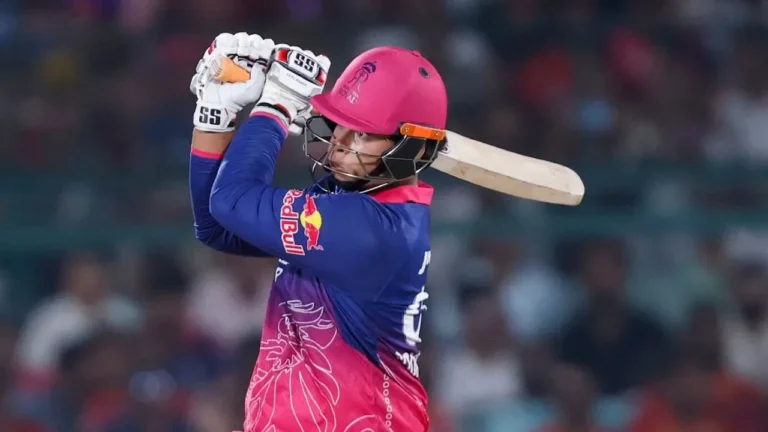
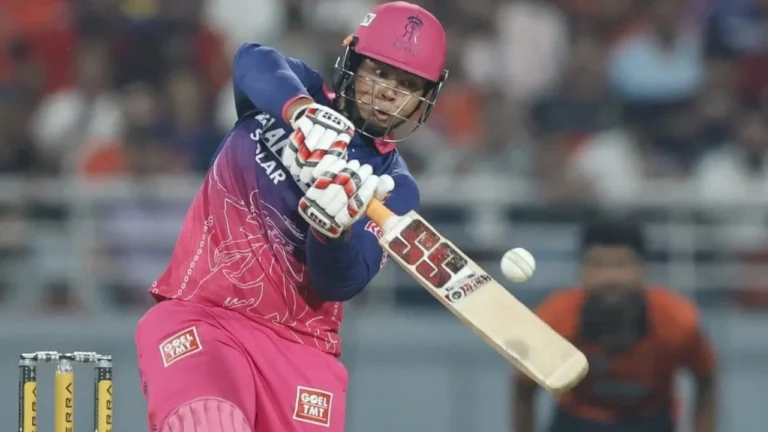
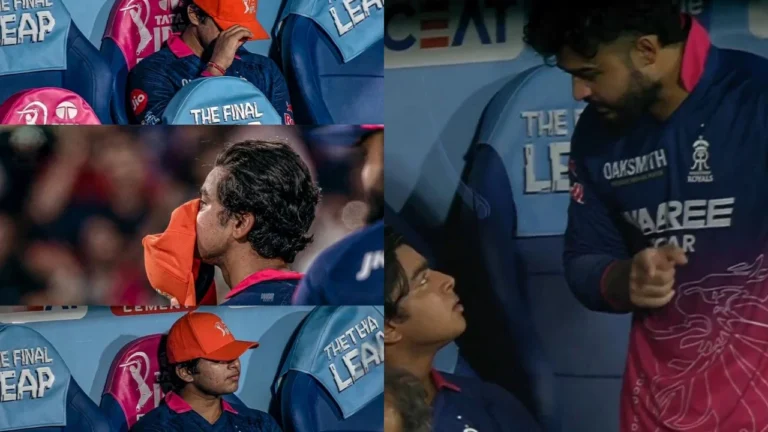
However, the analysis was not without its surprises regarding successful teams. Despite Rajasthan Royals qualifying for the playoffs and securing fourth place with 16 points, Sehwag surprisingly suggested that the franchise should look beyond Riyan Parag for the captaincy role, highlighting that even success does not exempt a leader from critical scrutiny in the IPL.
Conclusion: The Need for Strategic Evaluation
As the IPL landscape evolves, the role of a captain has become increasingly complex, involving not just performance on the field but also the management of team dynamics and franchise expectations. Virender Sehwag’s comments serve as a reminder that the post-season period is just as vital as the tournament itself. Whether franchises choose to heed his advice or stick to their current plans remains to be seen, but the debate has certainly set the stage for a busy off-season in the world of T20 cricket.
Ultimately, the decisions made in the coming months will define the competitive outlook for the next season. With high stakes and immense fan expectations, teams will need to decide whether to prioritize immediate tactical changes—as suggested for Mumbai Indians—or invest in the long-term development of their current leaders, as recommended for Lucknow Super Giants and others.

Related Articles