Sanjay Manjrekar attacks Ajit Agarkar and BCCI over Yashasvi Jaiswal’s exclusion – Sanjay Manjrekar Slams BCCI, Demands Apology for Yashasvi Jaiswal
The Controversial Selection: India’s Squad for the Afghanistan ODI Series
The announcement of India’s One Day International (ODI) squad for the upcoming three-match series against Afghanistan, scheduled to commence on June 14, has ignited a fierce debate across the cricketing world. Led by chief selector Ajit Agarkar, the Board of Control for Cricket in India (BCCI) selection committee revealed a squad filled with unexpected decisions, sparking intense scrutiny from fans and analysts alike.
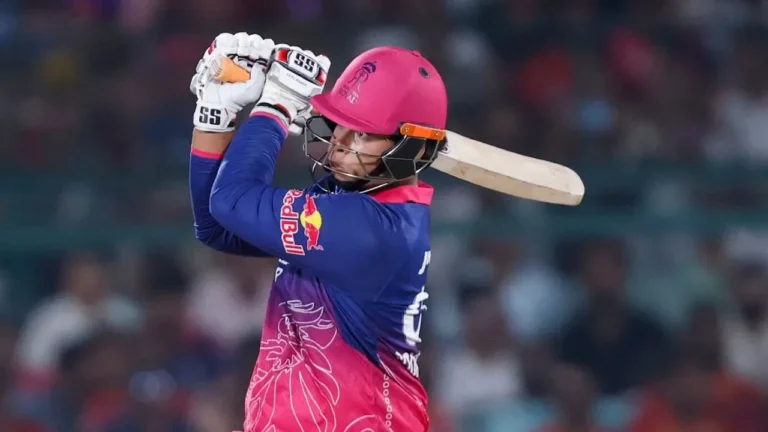
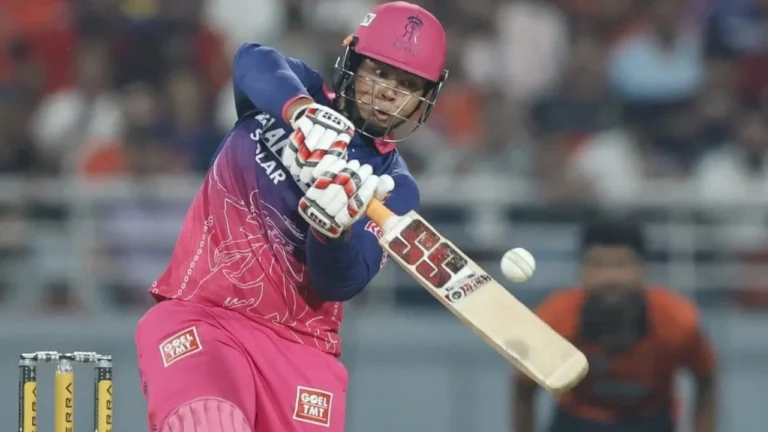
Among the most shocking developments was the exclusion of young batting prodigy Yashasvi Jaiswal, alongside wicketkeeper-batter Rishabh Pant and all-rounder Axar Patel. While explosive left-hander Ishan Kishan earned a recall, the squad raised eyebrows due to several fitness-related inclusions. Senior statesman Ravindra Jadeja and premier fast bowler Mohammed Shami were rested due to their respective injuries. However, regular captain Rohit Sharma and star all-rounder Hardik Pandya were both selected despite having notable asterisks hanging over their current fitness levels.
The squad also features fresh faces, with pacers Prince Yadav and Gurnoor Brar earning their maiden call-ups alongside left-arm spinner Harsh Dubey. While the rest of the team followed expected lines, the omission of India’s bright young batting stars has left many questioning the selectors’ long-term strategy.
Manjrekar Demands an Apology for Yashasvi Jaiswal and Sai Sudharsan
Former India batsman and respected commentator Sanjay Manjrekar did not hold back in his assessment of the team selection. Speaking on Sportstar, Manjrekar launched a passionate defense of India’s younger generation, stating that the selection committee owes players like Yashasvi Jaiswal and Sai Sudharsan a formal apology for overlooking them in favor of aging veterans.
According to Manjrekar, the decision to drop Jaiswal and Sudharsan undermines the meritocracy of domestic and international performances. He pointed out the stellar recent performances of both young top-order batsmen, arguing that their omission is completely unjustifiable given their current form.
- Sai Sudharsan: Has registered multiple half-centuries in his recent outings at the top of the order for India in the ODI format.
- Yashasvi Jaiswal: Smashed a phenomenal, unbeaten 116* in his very last ODI appearance for the national side.
“Sai Sudharsan has got a couple of 50s in the last set of innings playing at the top of the order for India in ODIs. Yashasvi Jaiswal’s last ODI innings was a 116 not out, and these guys are not playing for India,” Manjrekar remarked, highlighting the baffling nature of the decision.
The Debate Over Rohit Sharma’s Fitness and Form
Manjrekar’s criticism was particularly pointed toward the inclusion of Indian captain Rohit Sharma. He argued that accommodating Rohit under the current circumstances forces the selectors into unnecessary compromises that hurt the team’s future progression.
“The selectors have gone with a veteran whose fitness is a question mark, and he is clearly out of form. Explain that to me, what is the logic behind that, what is the vision?” Manjrekar questioned. He emphasized that if the BCCI felt compelled to select Rohit Sharma due to external factors or leadership transitions, they had a moral obligation to explain the situation to the dropped youngsters.
“If they were compelled, and had to make a compromise and pick Rohit Sharma for whatever reason, the first thing they have got to do is pick up the phone and apologise to Jaiswal, because this is a young player who has done tremendous things at the toughest level, he is in his prime with a bright future ahead,” Manjrekar added. He further noted that while a case could still be made for Virat Kohli’s inclusion, bypassing a tailor-made top three of Shubman Gill, Sai Sudharsan, and Yashasvi Jaiswal to accommodate Rohit was a step backward.
Looking to the Future: A Transition is Inevitable
The core of Manjrekar’s argument rests on the transition phase of Indian cricket. He expressed disbelief that chief selector Ajit Agarkar would genuinely view this retrograde selection policy as the ideal path forward for the national team.
“It cannot be that the chairman of selectors, Ajit Agarkar, believes that this is the right way forward for Indian cricket. I cannot imagine him thinking this is the right way forward,” Manjrekar stated firmly. He urged the selectors to look beyond the immediate shadow of Kohli and Rohit and start building a sustainable future. He expressed absolute confidence that the current crop of young batters possesses the class and capability to replicate the monumental numbers of their senior peers if given a consistent run.
“If you are going to focus so much on Rohit and Virat that you are going to ignore all the others, there comes a time when you look at the way forward for Indian cricket. All of these batters like Gill, Kishan, Sudharsan, and Gaikwad are class. Give them 10 innings, they will give you the same numbers that Virat and Rohit have,” he asserted.
Analyzing Yashasvi Jaiswal’s Brief but Brilliant ODI Record
Despite establishing himself as a multi-format superstar, Jaiswal’s journey in ODI cricket has been surprisingly slow-paced due to an overcrowded Indian top order. Consequently, he had to wait until 2025 to make his official ODI debut, despite having already played Test and T20I cricket for nearly two years prior.
Despite his limited opportunities, Jaiswal’s numbers in the 50-over format are highly impressive:
- Matches Played: 4
- Runs Scored: 171
- Highest Score: 116* (scored in his most recent match)
- Batting Average: 57.00
- Strike Rate: 86.00
These stellar statistics further validate Manjrekar’s argument that dropping a young batsman in such sublime form sends the wrong message to aspiring cricketers across the country. As the ODI series against Afghanistan draws near, the pressure will be immense on the selected veterans to justify their spots and validate the selection committee’s controversial blueprint.

Related Articles